


Iran is said to have made a fresh proposal on cargo traffic in the Strait of Hormuz to regional intermediaries, in an effort to find a diplomatic solution to the two-month face-off with the US and Israel in West Asia.
American media platforms reported that Iran’s new proposal also included a complete cessation of hostilities and the removal of the US naval blockade of Iranian ports. The Iranian framework wanted “discussions about Iran’s nuclear programme shelved.”
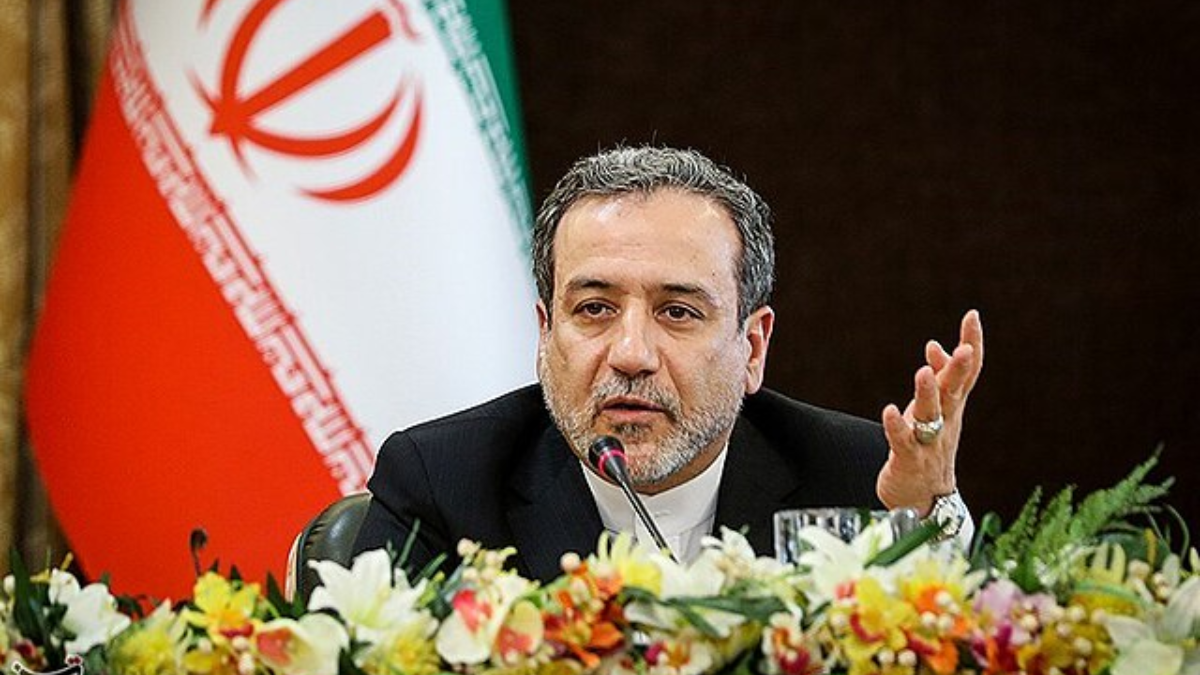
Iranian Foreign Minister Abbas Araghchi delivered the strategic overture, seeking to dismantle the current political impasse and to revive the stalled peace talks with the US in Islamabad, the reports said.
On Monday (April 28), Araghchi held talks with Russian President Vladimir Putin, who extended support to Iran in its ongoing conflict with the US and Israel.
The American media platforms also reported that the Trump administration was actively considering the Iranian peace proposal. White House Press Secretary Karoline Leavitt confirmed that US President Donald Trump was reviewing the Iranian proposal for talks with his national security advisers.
US Secretary of State Marco Rubio noted on Monday (April 28) that he believed Tehran is “serious about making a deal” with the US. He, however, clarified that Washington had no intention of allowing Iran to exercise total authority over the Strait of Hormuz.
Meanwhile, Iran’s Islamic Revolutionary Guard Corps (IRGC) Navy warned the US that it was ready to use “surprise tactics” if the conflict escalates in West Asian waters.
IRGC Navy’s Deputy for Political Affairs, Mohammed Akbarzadeh, said the force had readied unconventional warfare methods if the US made any miscalculation in the Gulf region.
Akbarzadeh said if the US took fresh military action against Iran, the IRGC Navy would use a newly developed capability in retaliation.
Iranian Army, on the other hand, asserted that the West Asian conflict was “still considered a war” despite a ceasefire agreement with the US. It claimed full operational control over the Strait of Hormuz through coordinated military deployment.
Iranian Army spokesperson Amir Akraminia said the situation remained active from a military standpoint. “The situation is still considered a war, and the bank of objectives and equipment for the forces has been updated,” Akraminia said, indicating continued preparedness and operational planning.
He said the Strait of Hormuz was under the joint control of Iran’s military forces, with the western section managed by the IRGC and the eastern section by the Iranian Army.
Akraminia further claimed that despite repeated threats, adversaries failed to launch a ground invasion. “The enemy did not dare to attack Iran on land,” he said, attributing this to the “high readiness” of Iran’s ground forces and coordinated operations with the IRGC.
He added that Iranian forces had anticipated potential military escalation based on intelligence assessments and had deployed units across the country in advance. “All units were in full readiness…the ground forces were deployed in various parts of the country, ready to confront any threat,” he noted.
The IRGC’s blockade of the Strait of Hormuz is a key sticking point in the peace talks between the US and Iran, mediated by Pakistan. The first round of talks held in Islamabad three weeks ago failed to reach an agreement, and the impasse continues.