Trump “Unhappy” With Iran Proposal, Tehran Vows “Long, Painful” Response To Fresh US Airstrikes
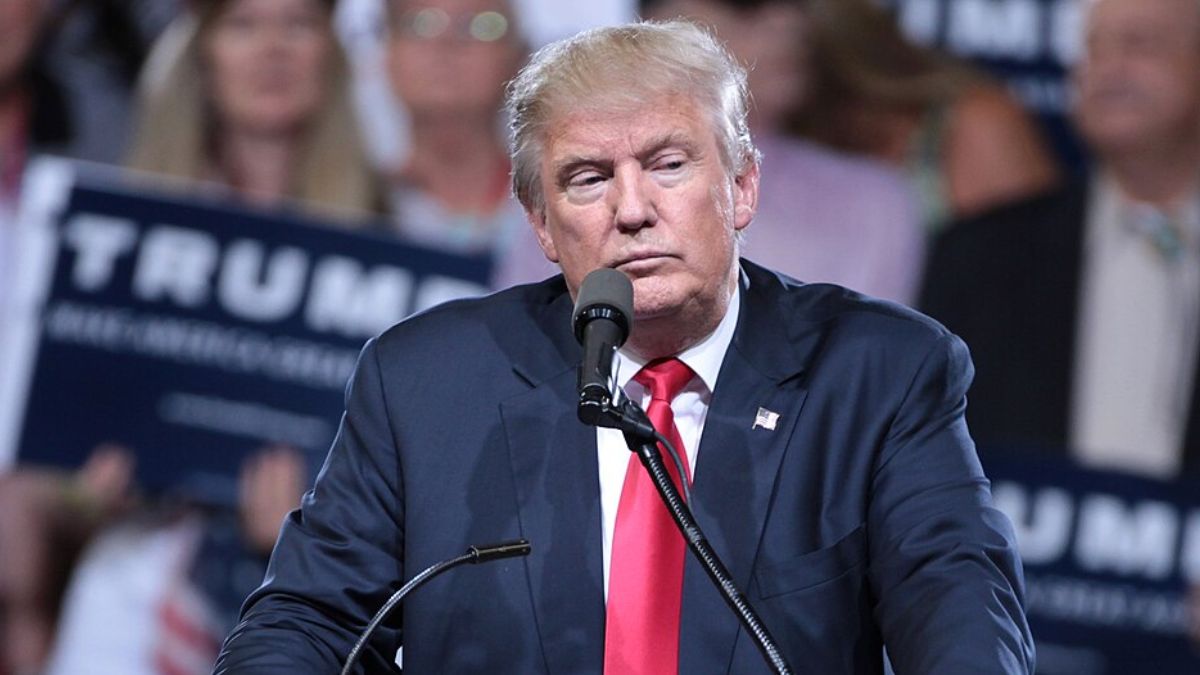
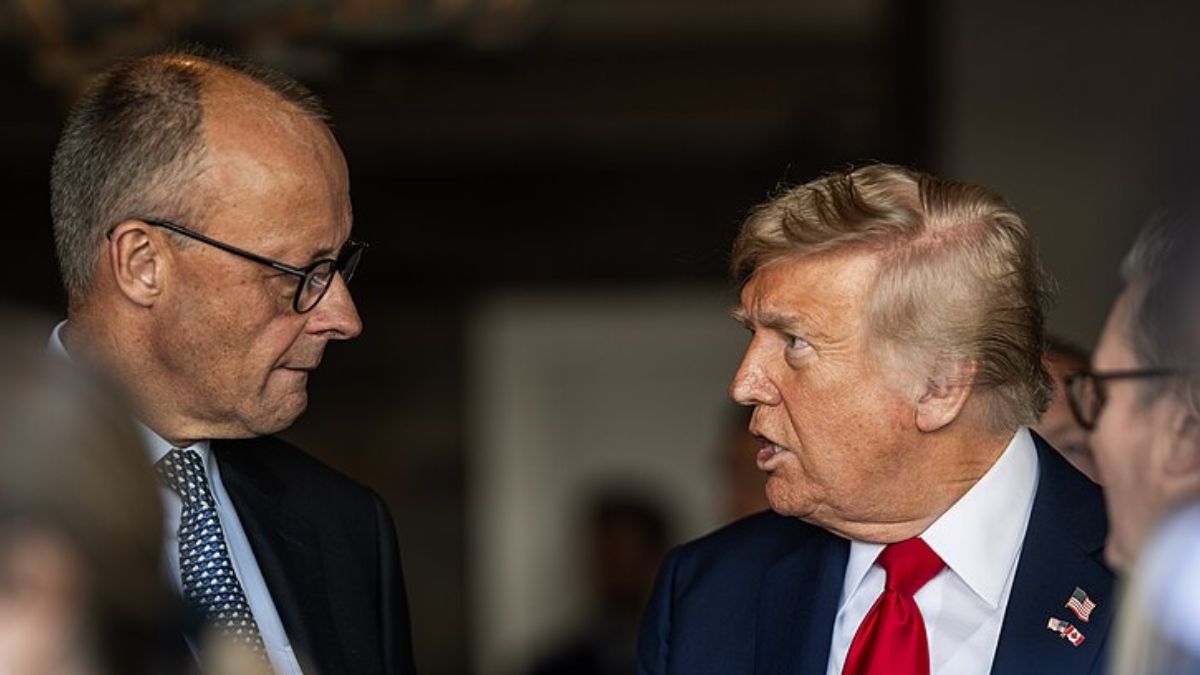
Trump signals dissatisfaction with Iran’s proposal as tensions rise, with Tehran warning of a strong response to any fresh US strikes. Image courtesy: Wikimedia Commons.

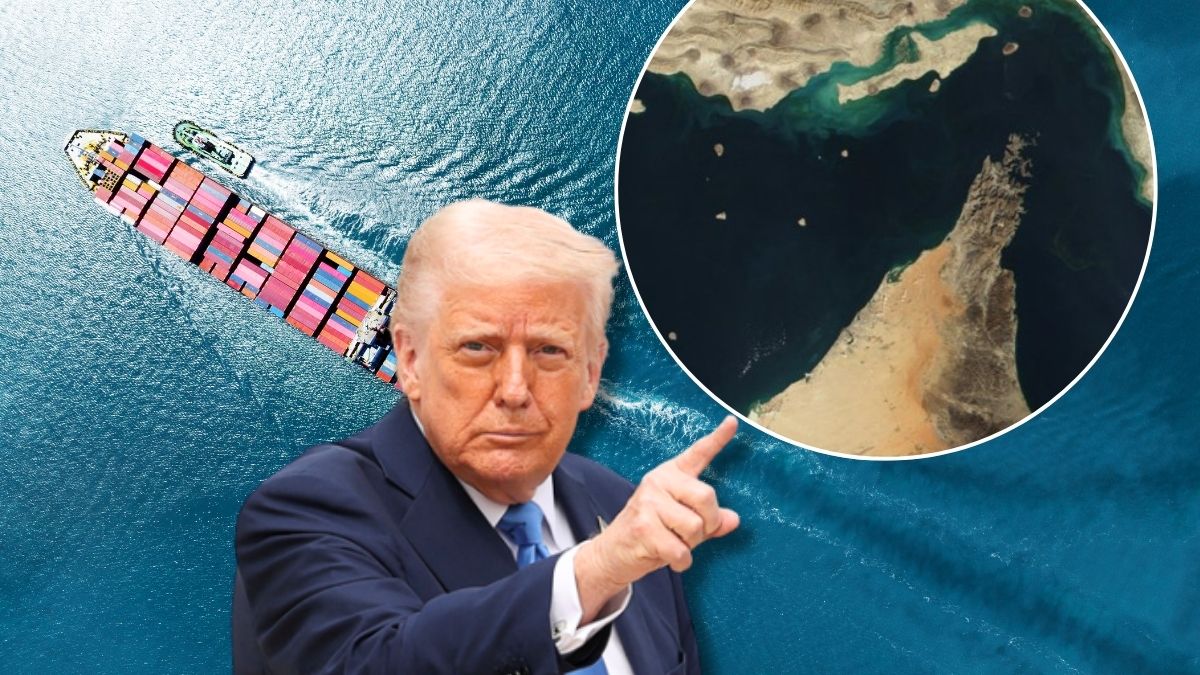
US President Donald Trump is “not satisfied” with Iran’s recent proposals for ending the war, even as he raised doubts if a deal was possible with Tehran, vowing to “blast them away” if peace talks failed.
Iran responded to the threat by assuring a “long, painful” response to any fresh airstrikes by the US and Israel in the Gulf region, and asserted its claims on the Strait of Hormuz.
On Friday (May 1, 2026), Trump told the media that he was unhappy with the Iranian offer to take forward the stalled peace talks and wanted to wait for an outcome to decide on the US’s next moves, including “blast them away.”
“They want to make a deal, I’m not satisfied with it, so we’ll see what happens,” Trump said, as the ceasefire announced by the US and Iran continued for a third week.
The war, now in its third month, has killed thousands and triggered a global energy crisis, even as both Iran and the US enforce a blockade in the Strait of Hormuz and Iranian ports, respectively.
The peace talks, hosted by Pakistan, have stalled after the first meeting failed to resolve the differences between the two sides. Pakistan’s efforts, aided by other nations, to bring the two sides to the negotiation table have failed so far.
Trump said he wanted to reach a deal with Iran that would prevent a relapse in the West Asian war, but expressed concern that the resumption of the conflict may become necessary. “They’re asking for things I can’t agree to,” he said.
Iranian Foreign Minister Abbas Araghchi, who travelled to Pakistan, Oman, and Russia last week, said Tehran was open to diplomacy if Washington altered what he described as its “threatening rhetoric” and “expansionist approach.”
Iran has repeatedly warned that it was ready for the war to resume, threatening to strike US interests in the Gulf region and the energy infrastructure of neighbours supporting the US airstrikes.
Tehran also said it would respond with “long and painful strikes” on US infrastructure in the Gulf region if Washington resumes its war on Iran, reiterating its claims on the Strait of Hormuz, effectively denying freedom of navigation through the critical, narrow waterway.
Iranian Ministry of Foreign Affairs spokesman Esmaeil Baghaei defended the closure of the Strait of Hormuz. “This is because of the war and the defence of our right – that is, according to international law, it is legitimate, legal, and accepted,” he said on Thursday (April 30) night.
He accused the US of “exploiting a waterway” of which Iran is the coastal state. “In such circumstances, you cannot allow this waterway to be misused,” he said. Baghaei also justified attacks on US assets in Gulf countries.
“Unfortunately, the regional countries also truly acted unjustly; during the holy month of Ramadan, they cooperated with a foreign party in attacking an Islamic country, and this is something that will remain a permanent demand,” he added.
Meanwhile, Iran has been bracing itself for likely attacks. Air defence activity was heard in some areas of the capital, Tehran, late on Thursday (April 30). Air defences were engaging small drones and unmanned surveillance aerial vehicles, reports suggested.
An Islamic Revolutionary Guard Corps (IRGC) official said any new US attack on Iran, even if limited, would usher in “long and painful strikes” on its regional positions.
“We’ve seen what happened to your regional bases; we will see the same thing happen to your warships,” IRGC aerospace force commander Majid Mousavi said.
In a written message to Iranians, Supreme Leader Mojtaba Khamenei said that “the enemies’ abuses of the waterway” would be eliminated under the new management of the strait, indicating that Tehran intended to maintain its hold over it.
“Foreigners who come from thousands of kilometres away … have no place there except at the bottom of its waters,” Mojataba said.
The blockade of both the Strait of Hormuz and the Gulf region by Iran and the US, respectively, has disrupted maritime traffic, with fewer than 10 cargo ships now transiting the region, forcing an energy crisis in other regions of the world.